Transforming Glass into Interactive Experiences: The Future of Display Technology
What Is an Transparent Interactive Display?
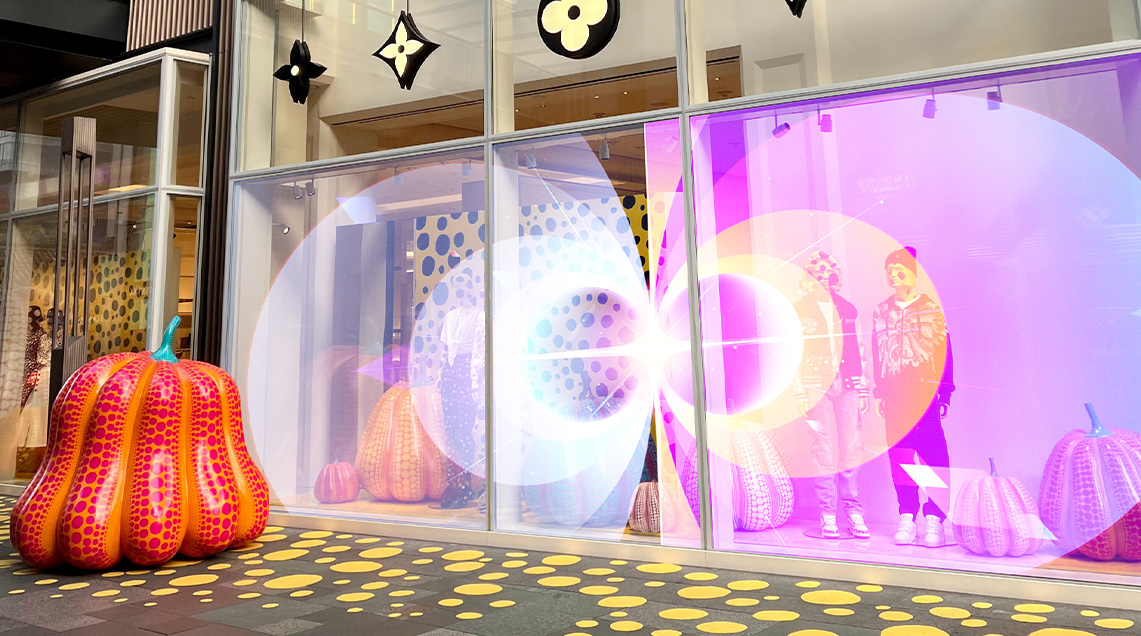
Imagine your office windows transforming into vibrant digital canvases – displaying real-time data, engaging presentations, or stunning visuals without blocking the view. This futuristic concept is now achievable, turning passive glass into dynamic interactive displays.
Leading this advancement are ultra-thin transparent LED modules utilizing advanced [Chip on Board] manufacturing. Leveraging technologies like advanced COB flip-chip manufacturing, they achieve up to 90% light transmission—preserving natural daylight and outward visibility. When combined with infrared radar sensors, they enable non-touch gesture control, transforming passive windows into responsive interfaces for collaboration or customer engagement.
How to Turn Any Window into an Interactive Display
Step 1: Seamless Hardware Integration
The foundation lies in transparent display panels with exceptional specifications:
Minimal bulk: LED modules as thin as 0.88mm and weighing only 0.18kg each (~1.8kg/m² total) ensure negligible structural impact.
Reliable performance: Direct RGB chip integration reduces pixel failures, ensuring long-term durability.
Energy efficiency: Consumes 50–60W per m², making it suitable for continuous operation.
Installation uses specialized adhesives for non-destructive application to existing glass. For instance, Hikvision’s project for Shandong Energy Group deployed 52m² of LED transparent screens in a data center, blending dynamic data visualizations with architectural aesthetics while maintaining spatial transparency.
Step 2: Enabling Intuitive Interaction
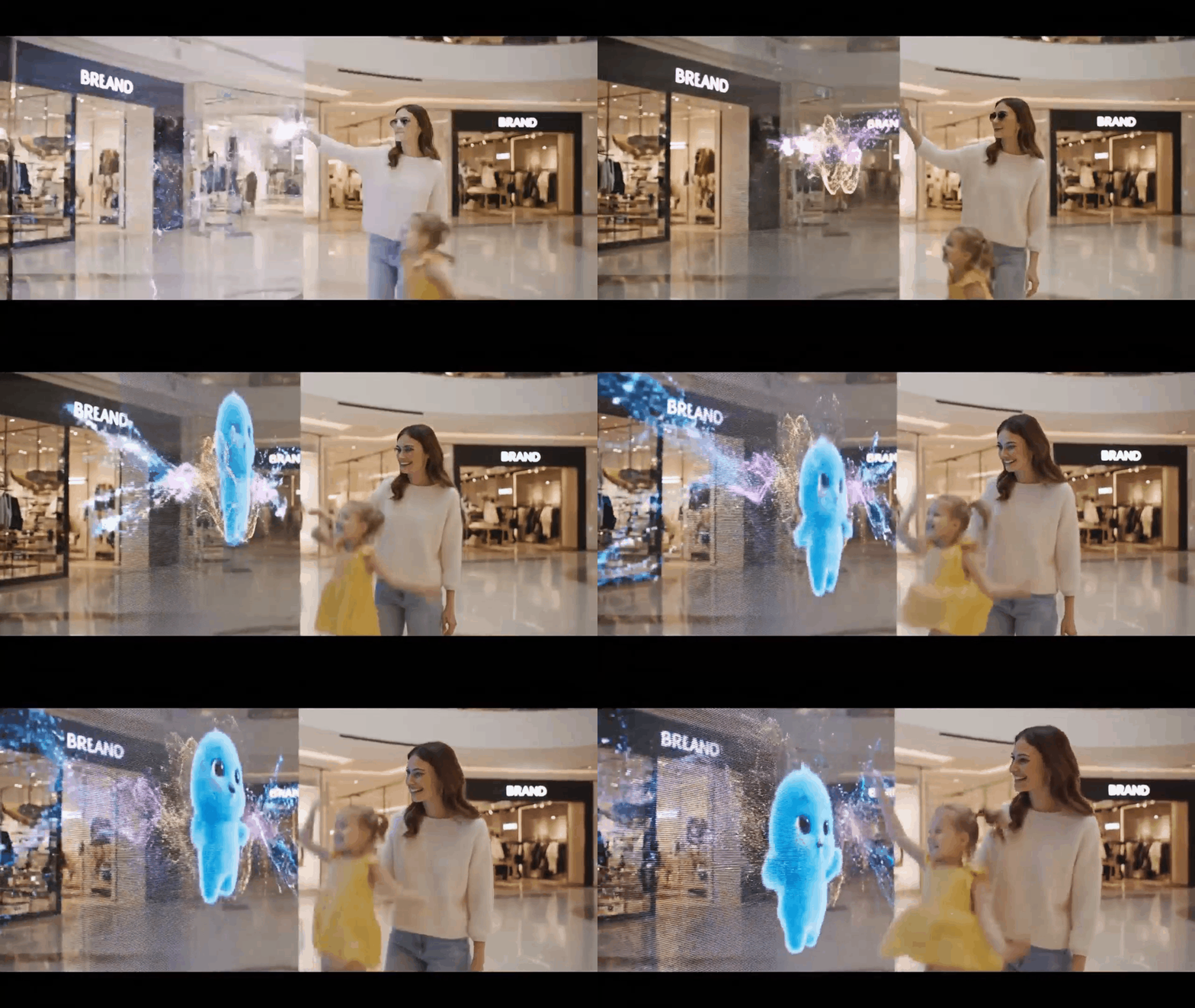
External radar sensing systems detect motion within a 3–5 meter range:
Macro-level gestures: A wave to cycle content or an approach to trigger videos.
Occupancy detection: Automatically dims or powers down displays in unoccupied rooms to save energy.
In China Resources Land’s smart office buildings, window-mounted displays paired with radar sensors allow employees to control meeting schedules or environmental settings through gestures, eliminating physical contact.
Step 3: Content Management & Connectivity
Connect panels to media players or cloud-based CMS to showcase real-time data, ads, or collaborative tools. Huana Group’s OLED transparent screens in their lobby switch between energy usage dashboards and corporate announcements based on time or occupancy, all without obstructing outdoor views.
Real-World Applications & Tangible Benefits
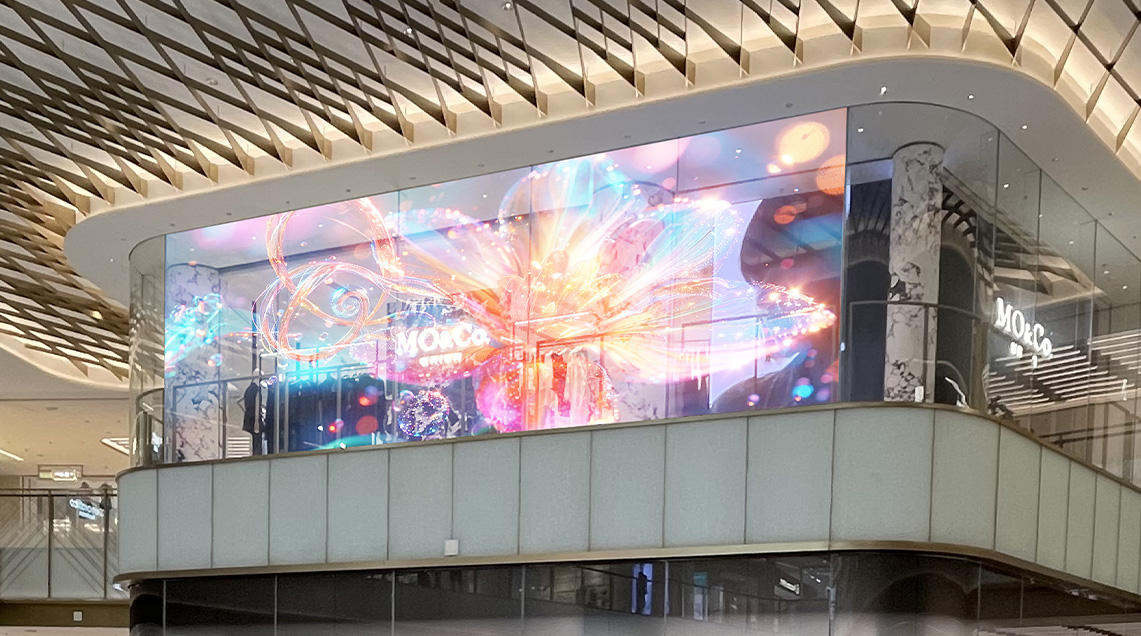
Once installed, these transparent LED panels transform ordinary glass into dynamic digital gateways. Connecting them to media players or computers instantly enables any window or glass partition to showcase vibrant content. Crucially, pairing them with external infrared radar sensing systems unlocks contactless, gesture-based interactivity.
This radar technology detects movement, presence, and broad gestures within a significant zone in front of the display (typically several meters). While not offering the pinpoint accuracy of touchscreens, it enables compelling large-scale, body-aware interactions.
Conference Rooms: That expansive window becomes an intelligent presentation surface. Teams can remotely cycle through slides, play/pause videos, or trigger key data visualizations using simple, sweeping gestures – ideal for collaborative discussions where participants remain seated or move freely around the room. The system can also sense room occupancy, automatically dimming content or powering down when unoccupied.
Case Study: At Huana Group’s headquarters, 2×4 OLED video walls in meeting rooms display real-time energy data. Employees use gestures to interact with 3D models, turning glass partitions into collaborative tools.
Retail & Public Spaces: Storefronts or lobby windows gain captivating responsiveness. As customers or passersby approach or move near the display, the radar can trigger content changes – launching promotional videos, showcasing product features, or displaying welcome messages. Simple large gestures (like a wave) might allow viewers to browse through different content categories or highlight general information, creating an engaging, futuristic experience that draws attention without physical contact. The focus is on ambient awareness and macro-level engagement.
Case Study: Brands like Shanghai Xintiandi use transparent displays to launch promotions when shoppers approach. Motion-triggered content increased foot traffic by 30%.
Transport hubs: Taiwan’s Kaohsiung Ferry uses MicroLED windows as AR guides, overlaying navigation data onto sea views.
Museums/Showrooms: Exhibits like Shenzhen’s Planning Museum blend artifacts with animated histories on transparent screens, enriching visitor experiences.
Beyond Traditional Displays:
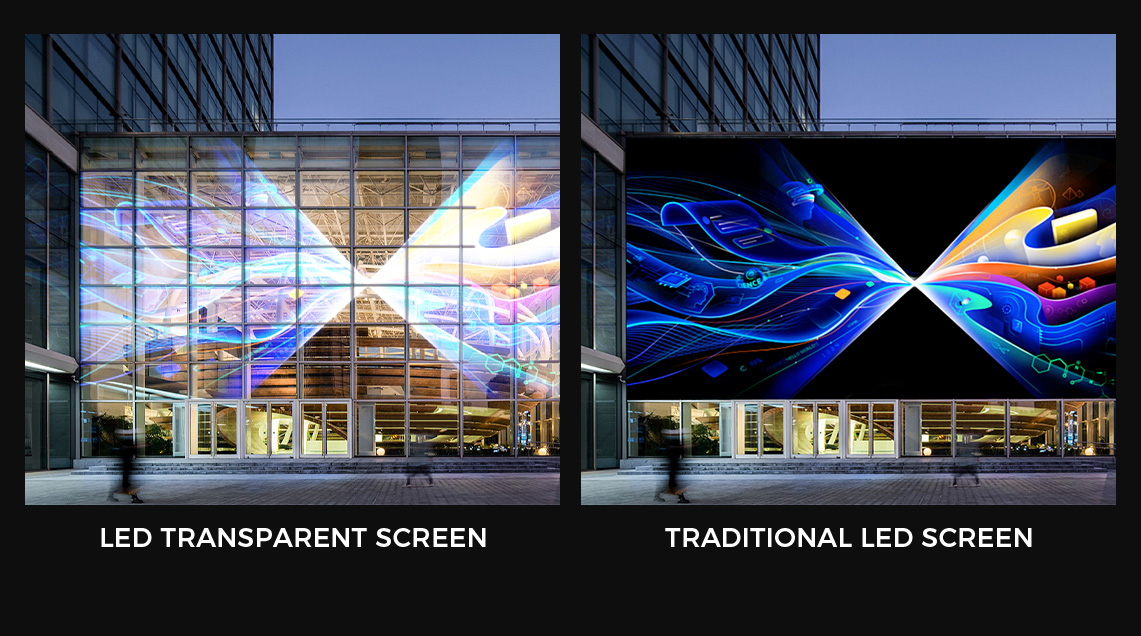
This technology fundamentally changes how we utilize architectural glass. No longer passive barriers, windows become active communication and engagement tools. The combination of high transparency, minimal weight, reliable performance, and energy efficiency makes integrating interactive displays into glass structures a viable and transformative option.https://www.futurexled.com/product/cob-lingpo/
The Future is Transparent & Interactive:
The ability to convert any window into a high-quality interactive display is no longer science fiction. Advanced transparent LED technology delivers the visual clarity, physical compatibility, and interactive potential needed to turn everyday glass surfaces into captivating points of information, collaboration, and engagement. Discover how this innovation can redefine the spaces where you live and work.