
HOW TO SAVE THE RETAIL INDUSTRY: A BLUEPRINT FOR REINVENTION
Traditional retail stands at a critical inflection point. Online saturation, operational inefficiencies, and fragmented consumer loyalty have created a “burning platform” demanding radical reinvention. This blueprint synthesizes global data and cross-cultural case studies to chart a viable path forward—prioritizing actionable strategies validated by real-world results.
1.The Burning Platform: Why Retail is at a Crossroads
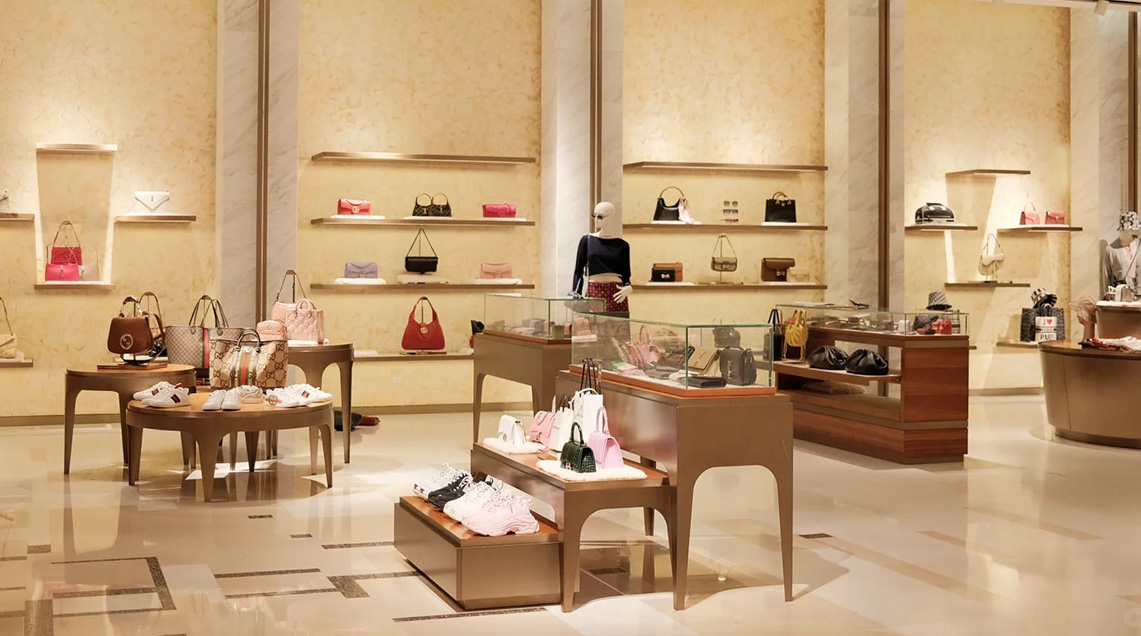
Online giants, shifting consumer habits, and operational bloat have pushed traditional retail to the brink. Key signs:
The “Amazon Effect”: Closing store volume increased by 80% in 2023 (Coresight)https://www.investopedia.com/terms/a/amazon-effect.asp
Accelerated store closures :Over 100 million square feet of US retail space shuttered in 2025 alone (Coresight)https://coresight.com/research/us-store-tracker-extra-march-2025-us-total-closed-retail-space-exceeds-100-million-square-feet/
Consumer Expectations: 74% of customers demand seamless integration between online and in-store experiences. (Salesforce)https://www.salesforce.com/commerce/ecommerce-statistics/?d=afx
Margin Erosion: Most retailers operate with single digit margins (NRF)https://nrf.com/blog/real-story-about-retailers-and-price-increases
2. Breakthrough Strategies: Turning Pain Points into Profit
► Fuse Digital & Physical: Eliminate Silos
Tactics:
Smart Windows: Transparent LED screens (0.88mm thick, 90% light transmittance) transform storefronts into interactive portals for AR try-ons or live promotions.
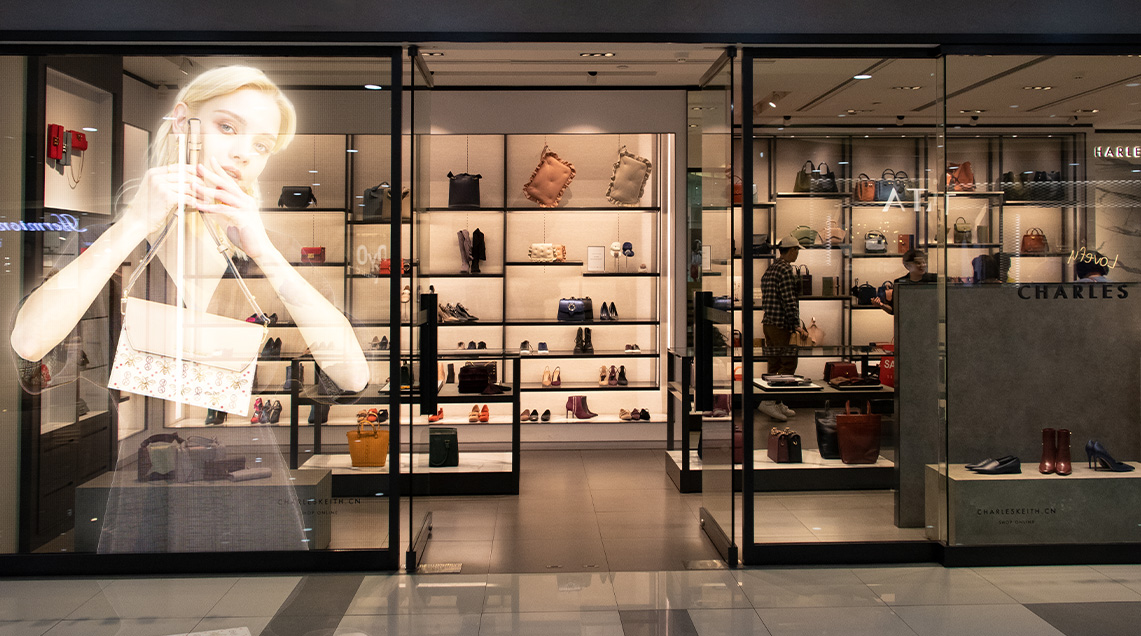
Hyper-Local Navigation: China’s Wumart supermarket reduced SKUs by 30%, added digital produce guides, and relocated high-demand categories to entrance zones—driving a 990% opening-day traffic surge.
Cross-Cultural Tech Adoption:
UK retailers like ASOS use TikTok’s #TikTokMadeMeBuyIt (95B views) to drive discovery-to-purchase journeys.
Southeast Asian malls (e.g., Emsphere, Bangkok) deploy AR mirrors enabling virtual outfit testing, boosting engagement by 40%.
► Embrace Experience Economics
Tactics:
Stores as Social Hubs: REI’s rooftop trails and hiking clinics lifted basket size by 22%.
Cultural Immersion: Barnes & Noble’s “literary concierges” and writing workshops fueled 4% sustained growth by positioning stores as cultural sanctuaries.
Z-Gen’s “Anti-Tourism” Shift:
The “grocery store tourism” trend sees 63% of young travelers visiting foreign supermarkets as cultural destinations. California’s Erewhon drew tourists flying six hours for $26 smoothies, while Korean CU convenience stores became tourist attractions by adding currency exchange and tax-free services
► Data-Driven Agility
Tactics:
AI Inventory Systems: Zara’s 48-hour restocking achieves 98% sell-through rates.
Dynamic Pricing: Amazon’s color-coded coupon system (green = reliability, pink = scarcity) cut decision time to 3 seconds, lifting clicks by 35%
Regional Adaptation:
BCG advocates “dynamic SKU management,” where Guangdong retailers optimized supply chains for local specialties like yellow-feather chicken, creating regional competitive moats
► Micro-Personalization
Tactics:
AI-Styled Previews: Nordstrom Local’s AI recommendations drove 40% conversion lifts.
Subculture Alignment: Beijing’s T+ Mall launched Harry Potter fitness pop-ups and DJ workshops, increasing dwell time by 35%.
Generational Nuances:
While Western Z-Gen values sustainability (Depop’s thrift model), Asian peers seek customized collectibles—e.g., Korean convenience stores’ K-pop idol merchandise driving tourist spend.
3. Global Case Studies: Proven Revival Models
Brand | Strategy | Result | Cultural Insight |
Walmart | “Together Somos Más” HHM campaign: Bilingual content, mural art collaborations | Top 3 cultural brand for Hispanics (2021) | Shift from “me” to “we”: 72% of Hispanics expect brands to support communities |
Wumart (China) | SKU reduction + artisanal bakeries + widened aisles | 990% traffic surge on reopening day | Blending efficiency with sensory engagement |
CU (Korea) | Unisex “Ramen Library” + tourist tax refunds | 60% sales from foreign tourists | Convenience as experiential tourism |
https://www.warc.com/content/paywall/article/arfogilvy/walmart-together-somos-mas/en-gb/152341?
4. Action Checklist: Phased Reinvention
Phase 1: Tech Foundation (0-30 Days)
Audit storefronts for transparent LED/AR integration.
Install sensors to track dwell patterns and heat zones.
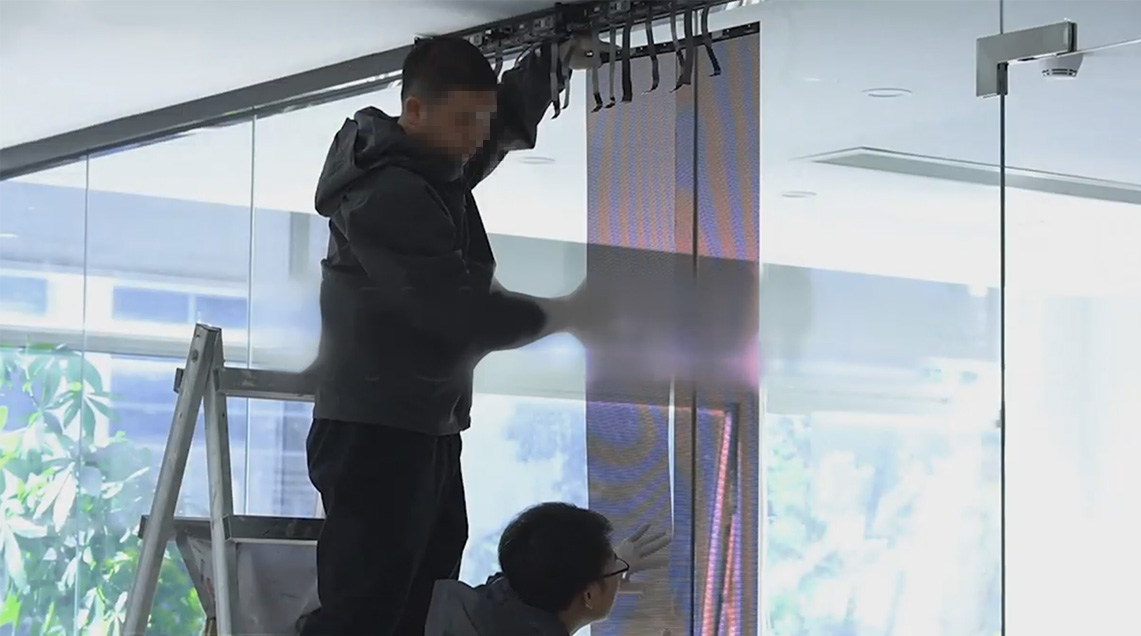
Phase 2: Omnichannel Core (30-90 Days)
Map customer journeys across touchpoints; unify data platforms.
Partner with social apps (TikTok/Instagram) for shoppable content.
Phase 3: Community Labs (90-120 Days)
Launch localized events (e.g., cooking classes in grocery aisles).
Integrate UGC campaigns like “tag-color reviews” (e.g., Amazon’s green/pink labels)
5. The Future: Physical Retail’s Competitive Edge
Stores will dominate as three experience archetypes, powered by next-gen display technology:
1.Immersive Discovery Zones
Transparent interfaces now enable virtual try-ons and dynamic product storytelling without obstructing physical visibility. Luxury brands like Louis Vuitton deploy AR mirrors for global outfit testing, while ultra-thin COB transparent LED screens (0.88mm thickness, 90% light transmittance) transform windows into interactive portals. These displays overlay digital content onto glass surfaces, allowing real-time customization (e.g., changing product colors via gesture control)—bridging online convenience with tactile exploration.
2.Sustainable & Adaptive Showcases
Energy efficiency is non-negotiable for eco-conscious consumers. Next-gen displays like reusable adhesive-backing COB transparent LEDs (avg. 50-60/㎡ power consumption) reduce energy use by 30% versus conventional screens, while RGB chip integration slashes pixel failure rates by 40%. Their modular design enables zero-construction pop-ups—ideal for seasonal campaigns or temporary “green stores.” For example, Paignton Zoo’s DOMAIN installation used similar tech to project endangered species onto glass without structural modifications.
3.Zero-Footprint Canvases

The era of fixed, heavy displays is ending. Innovations like featherlight COB LED panels (0.18kg per module) adhere seamlessly to glass via reusable adhesive films, enabling retailers to convert any surface into a dynamic canvas. Stores can now deploy high-impact campaigns in hours—not weeks—with no renovation footprint. South Korea’s Changsung Sheet pioneered this in elevator ads across Indian malls, proving its scalability for high-traffic zones.
The New Paradigm:
Physical retail’s revival hinges on “invisible tech”—where displays blend into environments, reduce operational burdens, and unlock fluid storytelling. With breakthroughs in transparency, weight, and energy efficiency, stores evolve from static spaces into agile experience platforms.
