
LED Display Solutions for All Scenarios
End-to-end deployment across 7 key scenarios including administration and cultural exhibits. Features precision fine-pitch LED for durability. Low-power Chip core displays. Edge-lit OLED panels – setting new benchmarks in accessible public service.
Industry Pain Points

Insufficient Reliability and Stability
It is required to run continuously for 7×24 hours for Public display screens without any problem like the the high failure rate of the display panels and control systyem, dead pixels,partial blackouts,color abnormalities and other issues, this is the point , and these malfunctions may lead to interruptions in the dissemination of critical information or even public incidents, significantly damaging government credibility and the efficiency of public information services.

Short -Lifespan and High Maintenance Costs
Frequent screen replacements require significant investment. The lifespan of light-emitting components, power suppliers, or driver IC is often insufficient, leading to rapid brightness degradation or severe color inconsistency. Additionally, the high and complex maintenance costs such as expenses for high-sky operations and spare parts , place continuous financial pressure on budgets.

Complex and Cumbersome Operation and Maintenance
Existing systems typically require professional personnel or involve cumbersome procedures. The pain points include inconsistent control systems, complicated playback software, and the manual pixel-by-pixel calibration. Daily tasks such as content updates, screen debugging, and status monitoring are inefficient, increasing both operational complexity and the risk of errors.

Poor System Compatibility and Scalability
As government information systems rapidly evolve, LED displays often need to integrate with various data sources and platforms. The key pain points lie in outdated device interfaces (e.g., support only for traditional video inputs), closed protocols, and insufficient expansion slots, making it difficult to accommodate new systems (such as smart city platforms) or add new functionalities (such as multi-screen collaboration).
Solution Value
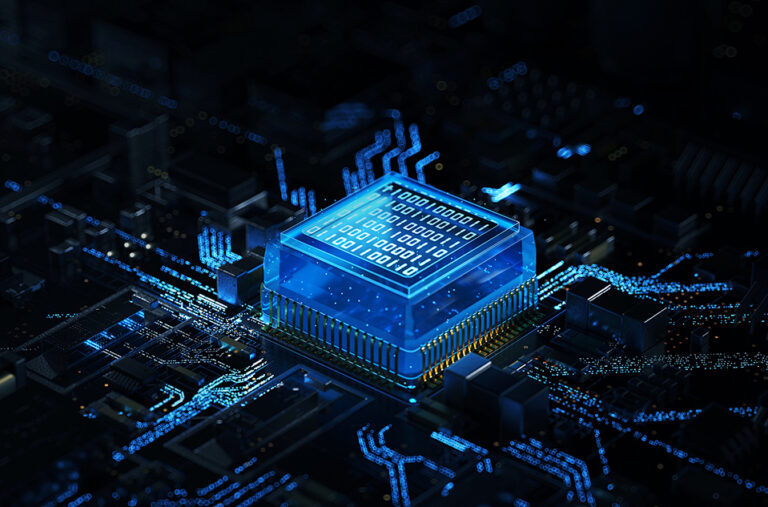
Long-Life, Stable, and Reliable Operation
FutureXLED™️’s COB fine-pitch LED adopt the redundant power suppliers and industrial-grade driver ICs, supporting continuous 7×24 operation in environments ranging from -30℃ to 60℃. With an annual dead pixel rate of less than 0.001% (industry average: 0.01%), they completely eliminate the risk of screen blackouts in government service halls and command centers, ensuring zero interruption of critical information.

35%+ Cost Reduction
COB packaging is good for impact resistance, pressure resistance, and no injection maintenance, while SMD modules support 5-minute quick replacement. Intelligent power management (standby ≤15W, operation ≤450W/㎡) reduces energy consumption by 35% compared to traditional displays. For example, a municipal service hall can save 85,000 RMB annually on electricity costs for a 100㎡ screen.
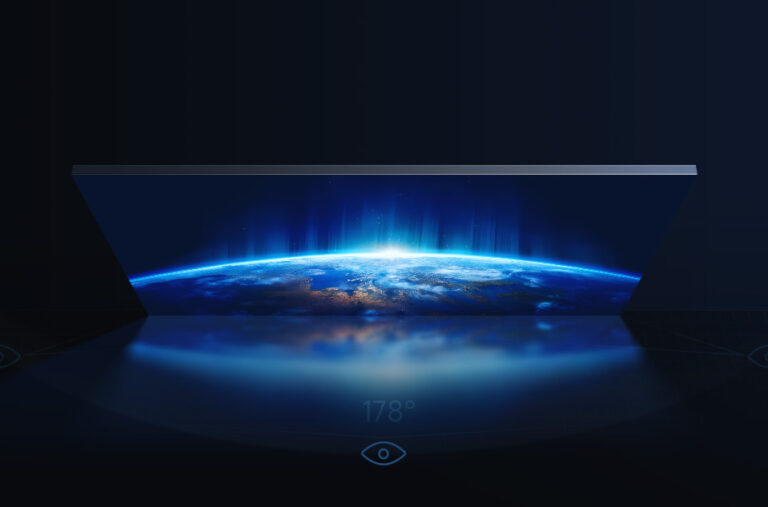
Ultra-Wide Viewing Angle with Uniform Display
Equipped with HDR 10+ wide color gamut technology and 16-bit processing, the display achieves horizontal and vertical viewing angles of up to 175°, eliminating color shift and distortion when viewed from the sides in government service halls. The brightness difference between the center and edges is less than 5%, ensuring that policy texts and data charts are clearly visible from any angle.
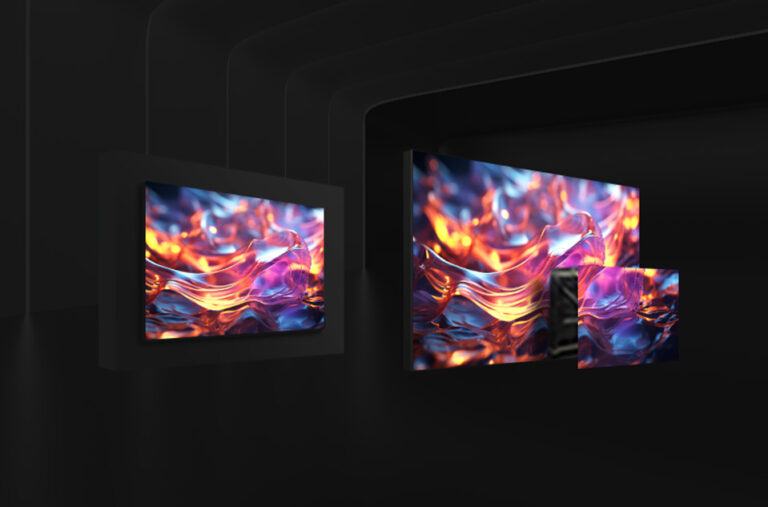
Rapid Deployment and Flexible Expansion
Supporting front maintenance, embedded installation, and wall mounting installation , one project can be done of a 100㎡ large screen in a day. The modular design allows for seamless installation like building blocks, accommodating future business expansion at government service centers and shortening working time by 70%.
Application Scenarios
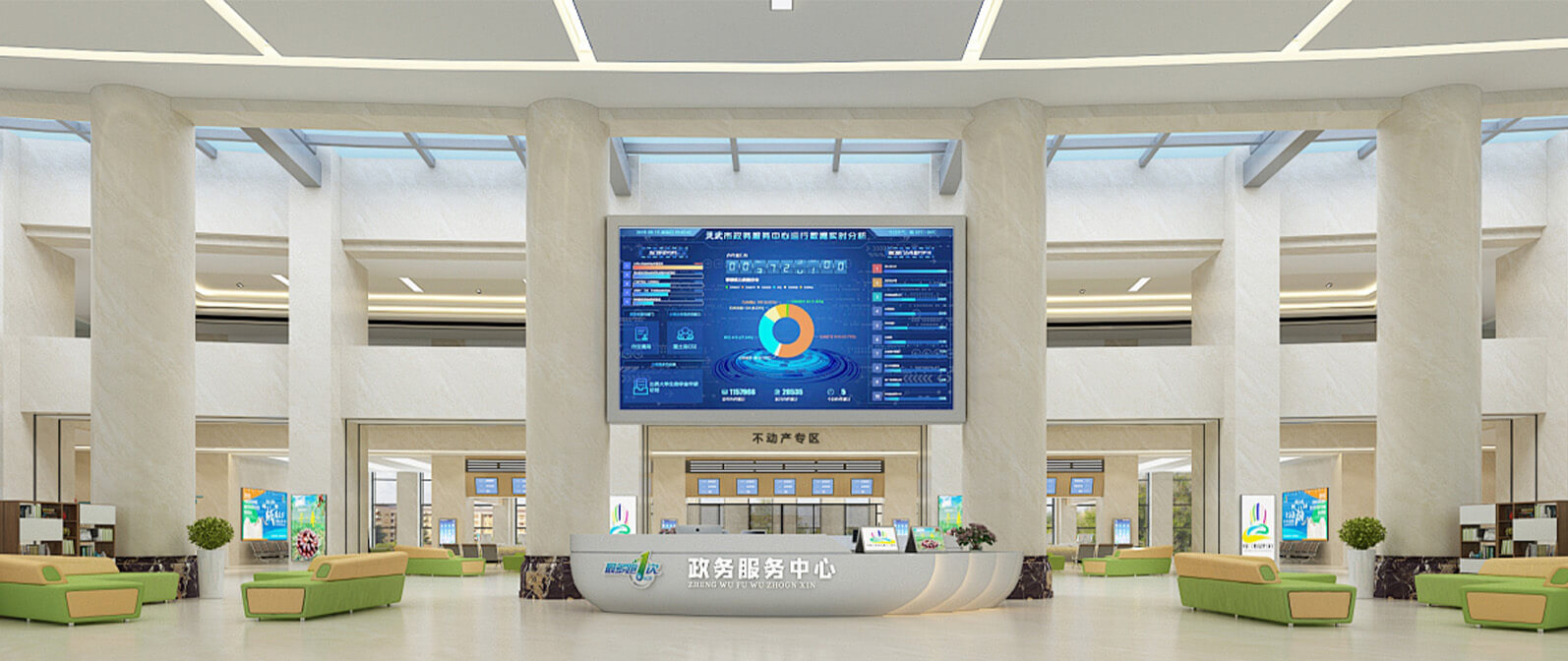
Service Hall for Public Affairs
FutureXLED™️standard fine-pitch LED displays is effectively the challenges of high reliability and information readability in crowded people environments. The COB surface is impact- and scratch-resistant, capable of withstanding daily f traffic flow of up to 10,000 people. With a horizontal and vertical viewing angle of 175° and a brightness level of 1500cd/㎡, the display eliminates blind spots for people queuing at the sides.
Command and Dispatch Center
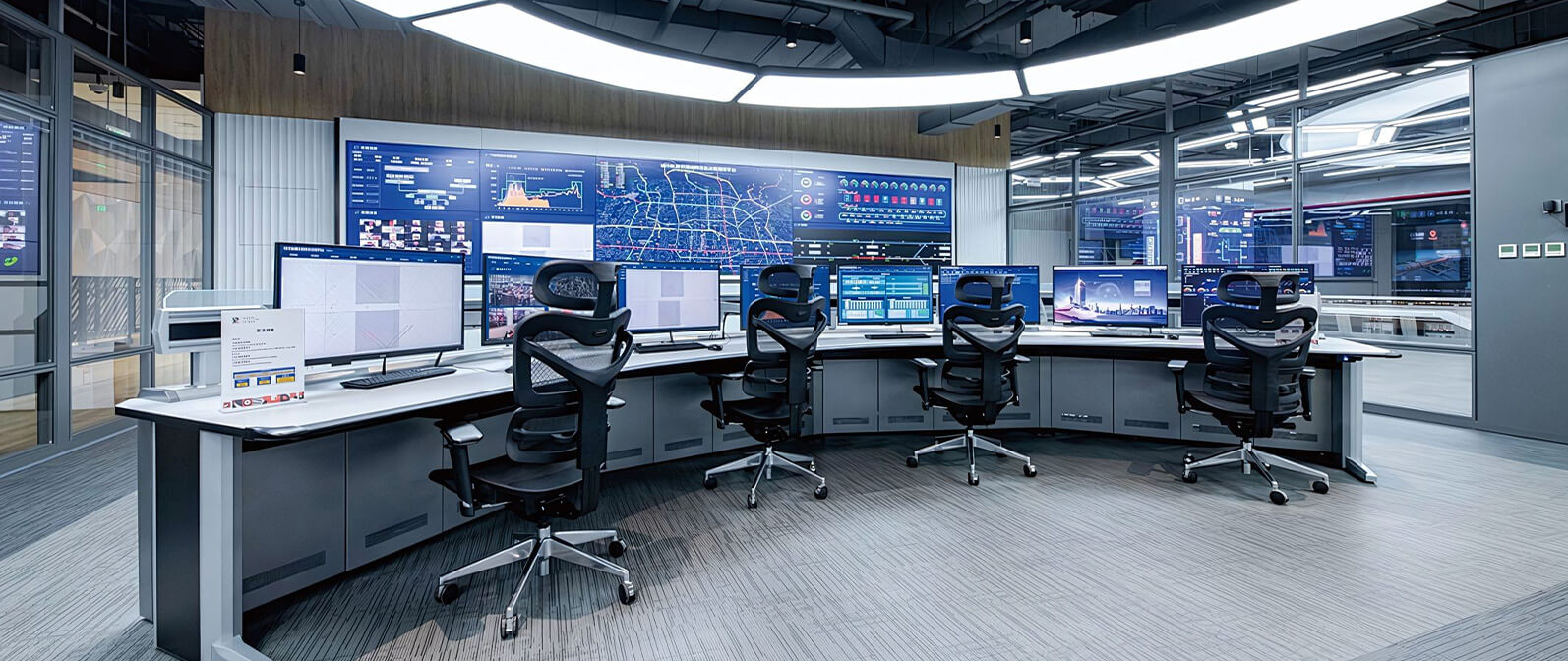
Meeting the critical demands of millisecond-level response and multi-signal integration: Industrial-grade redundant power supplies ensure 7×24 operation with zero interruptions, while a gray-scale response speed of 0.1ms guarantees no trailing shadows during GIS map dragging.Equipped with a dual-engine system of SDVoE and HDMI 2.1, the display supports access to up to 200 signal sources (including drones and wearable devices), enabling comprehensive situational awareness on a single screen. The physical noise-isolation design (≤28dB) maintains absolute silence in the command room.
Public Cultural Venues
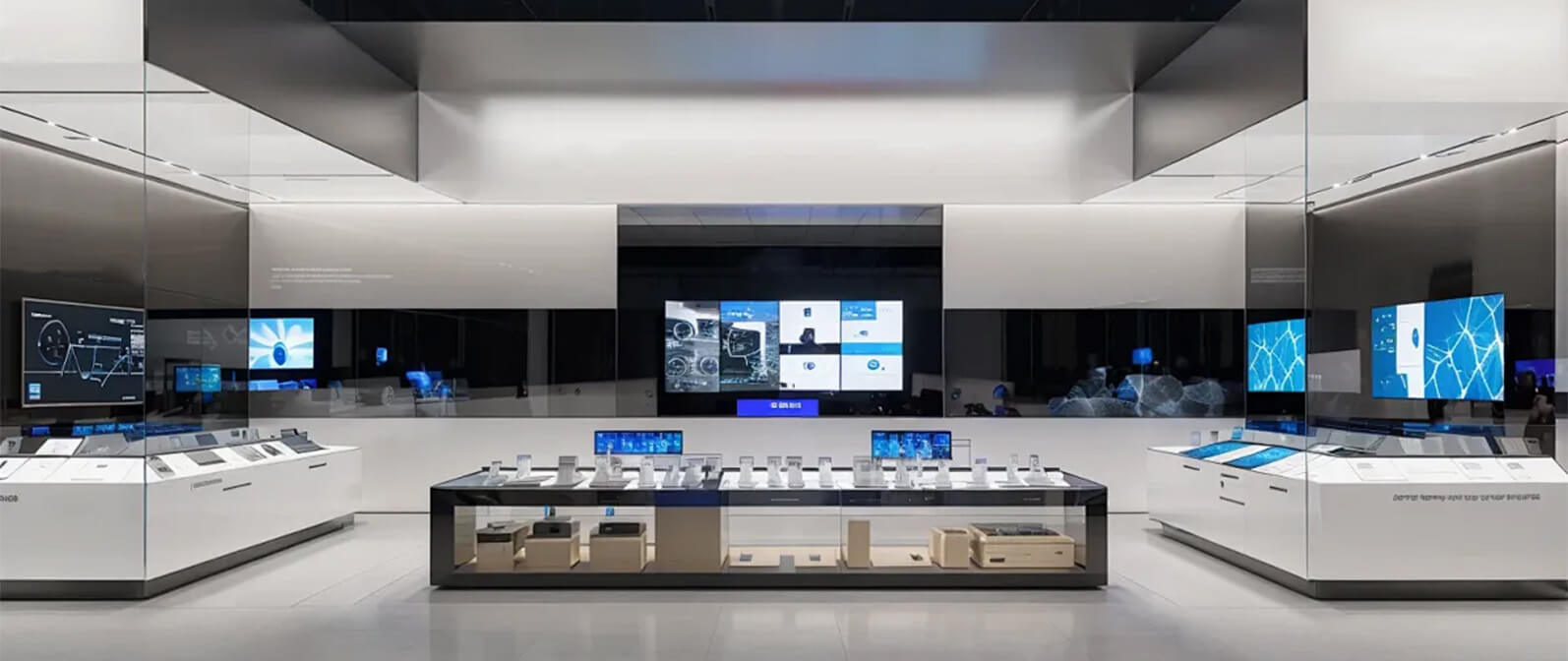
FutureXLED™️COB Chip Screen and Holographic invisible Display, with a light transmittance of up to 93%, combined with JM’s OLED flexible curved screen, create suspended holographic interpretations of cultural relics on glass curtain walls (e.g., 3D disassembly of bronze artifacts).The transparent display works in coordination with physical sand tables, enabling dynamic projection of urban development planning data, increasing audience interaction and dwell time by 40%. The ultra-thin design (1cm thickness) saves 50% of wall space required for exhibition renovations.
Public Transportation Hubs
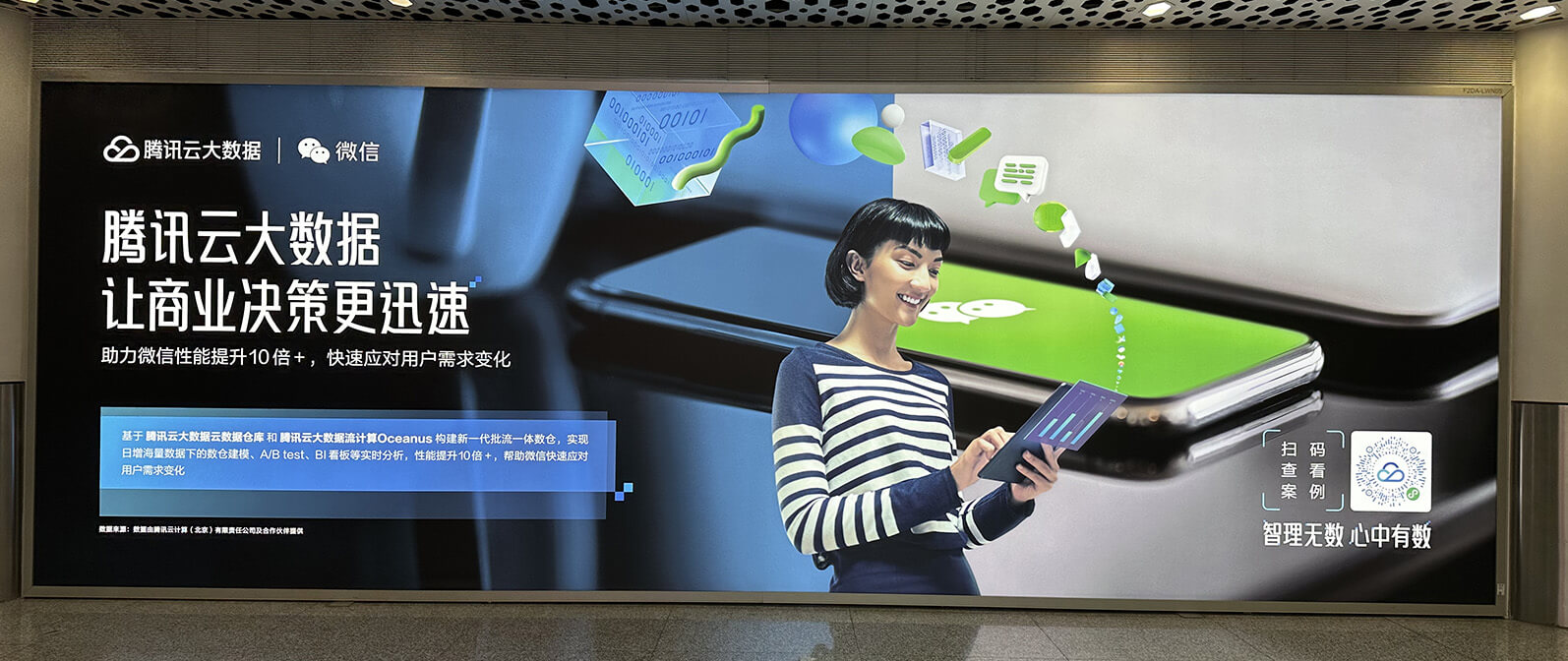
FutureXLED™️COB fine -pitch LED displays feature a nano-coating that resists graffiti and corrosion, with IP54 protection against liquid splashes. The modular front-service design allows individual lamp replacement in less than 5 minutes, avoiding disruptions to passenger flow caused by lifting equipment. An intelligent light-sensing system automatically adjusts brightness according to day and night conditions (500–1500cd/㎡). Dual-network hot backup ensures zero interruption in the broadcast of schedule information.
